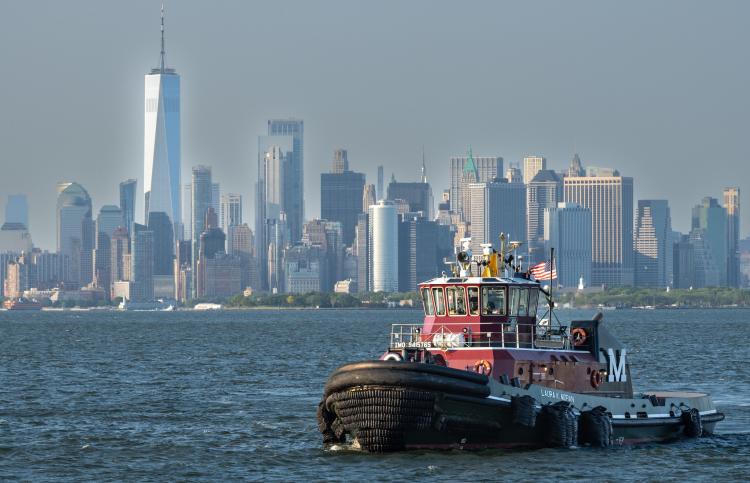
Subchapter M is a set of regulations enforced by the U.S. Coast Guard that ensure all American towing vessels are built to the highest safety standards, equipped with the necessary safety equipment, and crewed by highly-qualified, well-trained mariners. These rules make sure that tugboats and towboats are safe for the people working onboard and for the waterways they navigate.
Why Does It Matter?
Subchapter M sets an elevated, industry-wide safety standard for vessels operating on our waterways. It focuses on:
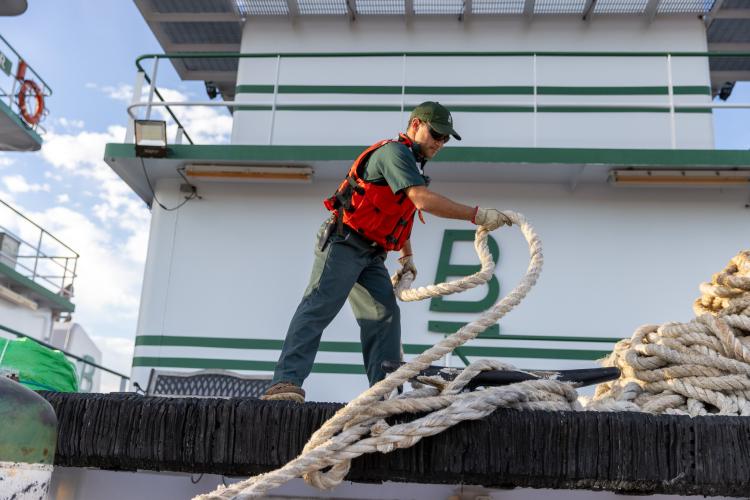
- Protecting People: Making sure vessels are built and equipped with safety features necessary to ensure the highest level of protection for crew members.
- Preserving the Environment: Reducing the chance of spills on our rivers and oceans.
- Securing Supply Chains: Ensuring vessels are built and operated properly to prevent accidents that can close vital shipping lanes.
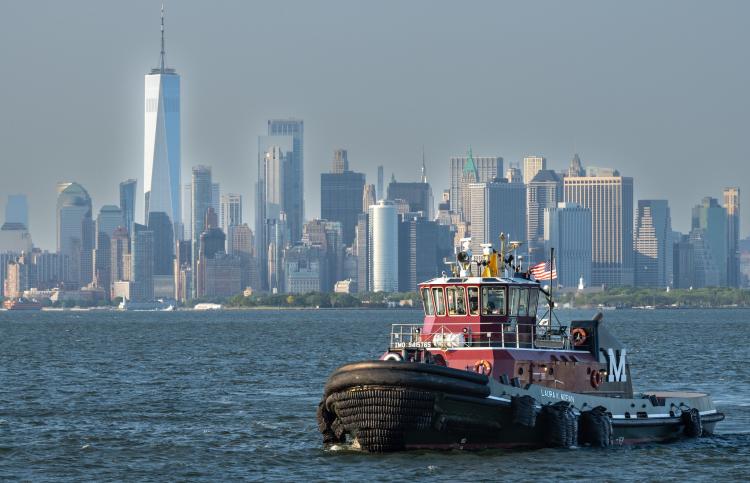
Two Ways to Follow the Rules
Vessel owners can choose one of two paths to comply with the law:
- The Coast Guard Path: A Coast Guard officer visits the vessel every year to inspect it personally.
- The Safety Management System Path (TSMS): The vessel owner uses a Towing Safety Management System, or TSMS, like AWO’s Responsible Carrier Program. The TSMS itself and each vessel are checked by a Coast Guard-approved third-party organization (not the government) on a regular basis, to make sure everything is done correctly.
A Proven Safety Program for the Marine Towing Industry
AWO's Responsible Carrier Program, or RCP was accepted by the Coast Guard as an approved Towing Management Safety System, meaning the Coast Guard formally recognizes that AWO members who use the RCP are meeting the safety requirements of Subchapter M. AWO provides the Program and support to ensure members meet all Subchapter M requirements included in the RCP.